
Life insurance for miners: separate mine type, underground duties and health exposure
Mining work does not create one underwriting profile. An insurer may ask about surface or underground work, commodity, duties, explosives, powered haulage, confined areas, rescue responsibilities, dust exposure, protective controls and any diagnosed respiratory disease.
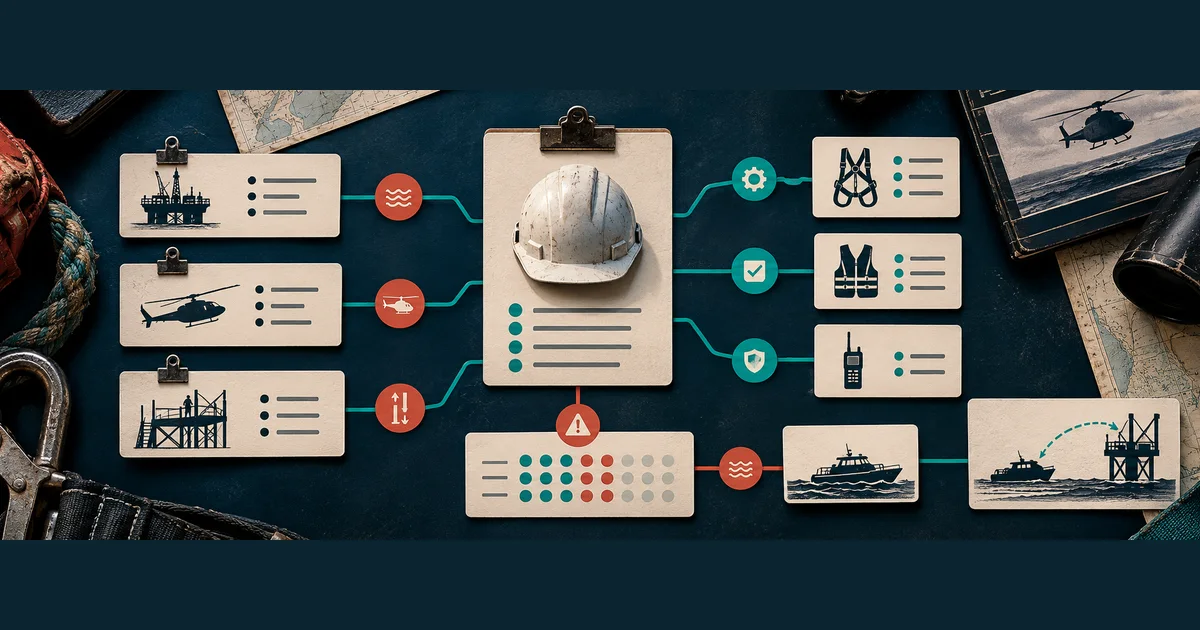
A mine-site map that separates immediate job hazards from documented respiratory or other medical conditions.
Locate the work before describing the risk
Begin with mine type, commodity, region and surface or underground status. Then show the applicant's actual task rather than a list of every hazard present at the site. A geologist, haul-truck operator, maintenance electrician, blaster and office manager can share an employer while doing substantially different work.
Place
Surface pit, underground workings, processing plant, quarry, exploration camp or office.
Task
Operating, maintenance, drilling, blasting, inspection, rescue, supervision or technical work.
Schedule
Shift length, rotation, underground hours, fly-in travel and remote accommodation.
Controls
Training, ventilation, monitoring, protective equipment and emergency role.
Do not combine accident hazards and health findings
Powered haulage, ground instability, explosives and confined areas describe work. Dust exposure and noise also describe work. Pneumoconiosis, hearing loss or another condition belongs in the medical history only when diagnosed. Keeping those categories separate prevents an exposure from being reported as a disease or a diagnosis from being buried in a duty description.
NIOSH surveillance has documented respiratory disease among miners, including coal workers' pneumoconiosis and silicosis. If the applicant participates in employer or government surveillance, record the dates and actual results. Do not call a screening normal or abnormal without the report.
Create a site exposure card
Dust
Material, task, ventilation, enclosed cab, respirator program, monitoring and time in the area.
Mobile equipment
Machine type, operator or pedestrian role, underground use and incident history.
Explosives
Handling, charging, firing, transport, license and frequency. Do not infer exposure from proximity alone.
Emergency work
Mine rescue, firefighting, first response and training status should be stated apart from routine duties.
Audit the mine profile
| Question | Specific answer | Weak substitute |
|---|---|---|
| Where? | Mine type and surface status | “Mining industry” |
| Doing what? | Task percentages and equipment | Job title only |
| Exposed to what? | Material, frequency and control | All site hazards |
| Any health effect? | Diagnosed condition and report | Assumption from exposure |
Coordinate related evidence
The construction guide can help with mobile plant and height duties. Use the asthma guide only for an actual asthma history. Review application records before submitting a surveillance-heavy medical file.
Questions from miners
Is coal mining treated the same as every other mine role?
No. Coal, metal, nonmetal, quarry and office or engineering roles can involve different duties and exposures.
Should dust exposure be listed as a lung diagnosis?
No. Describe occupational exposure where asked and report only actual medical diagnoses in the health section.
Primary sources and scope
Government sources support hazard and surveillance context, not carrier decisions.