Life Insurance for Commercial Pilots
Separate professional flight exposure from recreational aviation and describe both accurately.

People in hazardous occupations can often get life insurance. An insurer may distinguish applicants with the same job title by their actual duties, maximum exposure, work location, travel and safety controls.
A job title is only the first fact. The insurer may also ask about duties, travel, height, tools and safety rules.
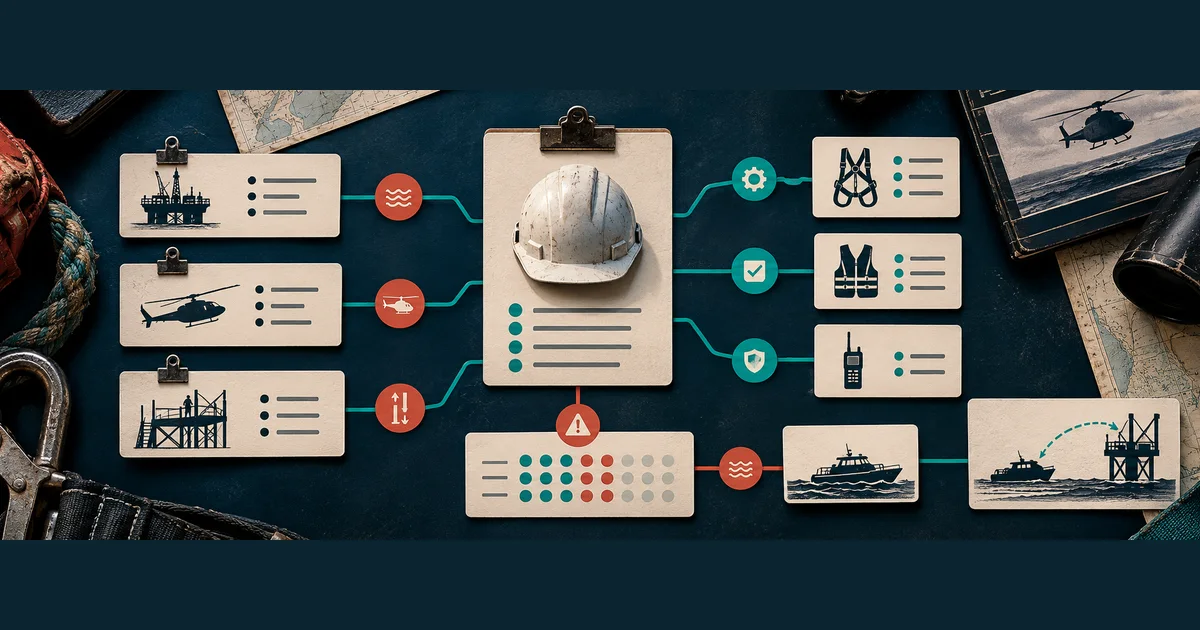
A job title can hide what a person does each day. A site engineer who stays on the ground faces a different risk from a tower worker. These guides show how to list real duties, places and safety steps.
These pages explain common evidence patterns. They do not predict a specific carrier's decision. Product terms, laws and carrier appetite vary.
A useful occupation summary separates the normal workweek from the greatest occasional risk and then records the safety controls that apply.
| Layer | Useful details | Purpose |
|---|---|---|
| Normal week | Split time between oversight, travel and hands-on work | Replaces a vague title with real duties |
| Greatest risk | State the greatest height, depth or risky task | Shows rare work that an average can hide |
| Safety steps | List training, safety gear and past incidents | Adds facts the insurer can check |
Separate professional flight exposure from recreational aviation and describe both accurately.
Translate a broad construction title into the actual duties an underwriter needs to price.
A practical questionnaire for offshore energy, marine and support roles.
A task-based electrical-work profile that separates residential installation from live-line, utility, industrial and high-voltage duties.
A mine-site map that separates immediate job hazards from documented respiratory or other medical conditions.
A setting-and-specialty guide that prevents a broad healthcare title from standing in for actual clinical duties or medical history.
A service-duty and coverage map that distinguishes military occupation from deployment plans and employer-provided protection.
A fire-service duty file that separates structural response, wildland work, rescue, apparatus operation, investigation and volunteer frequency.
A route-and-record guide for separating ordinary commercial driving from unusual loads, remote work, fatigue exposure and related health questions.
An assignment-based guide to duty mix, vehicle exposure, tactical work, secondary employment, schedule and health context.
If the same application also involves medical history or personal activities, browse every life-insurance underwriting guide.
Keep occupational duties in their own evidence brief. The other collections help when a diagnosis, personal aviation, sport or recurring travel also needs a separate explanation.
After quantifying the work, follow how application records are checked and how an occupational decision appears in the final offer and policy.
The underwriting readiness checker creates a private, printable list of facts and records to gather.
No. The insurer can separate jobs by duties, place, frequency and safety steps. Results still vary by insurer and local rules.
Work coverage can help, but it may be small or end when the job ends. Check the amount, limits and whether you can keep it.